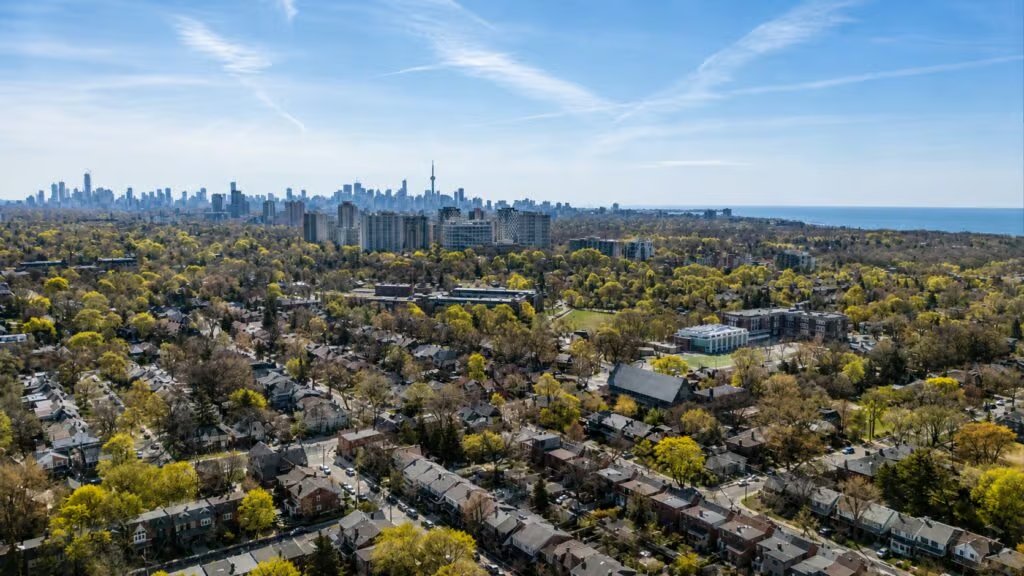

There’s something special about fall in West Toronto. The tree-lined streets of Bloor West Village turn shades of red and gold, High Park puts on its annual show of autumn colours, and the cooler weather gives us the perfect excuse to spend more time curled up at home.
Toronto winters can be unpredictable. One week, you’re enjoying a beautiful fall afternoon, and the next, you’re scraping ice off your windshield and wondering why you didn’t put the patio furniture away sooner.
The good news? A little preparation now can help prevent expensive repairs, improve your home’s energy efficiency, and keep everything running smoothly when temperatures drop.
Whether you own a century-old detached home in The Junction, a charming semi in Roncesvalles, or a newer property in Swansea, this fall home maintenance checklist will help you get your home winter-ready before the first snowfall.
Your home is one of your biggest investments, and taking care of it is one of the best ways to protect its long-term value. Curious what your West Toronto home is worth in today’s market? Book your complimentary home evaluation with the Sidorova Inwood Team.
1. Give Your Furnace Some Attention Before It Gets Busy
Let’s start with something you’ll definitely appreciate when the temperature drops: a warm, comfortable home.
Your furnace works hard throughout Toronto’s colder months, and the last thing you want is to discover it isn’t working properly on the first freezing night of the season.
Fall is the ideal time to schedule a professional furnace inspection, ideally before HVAC companies become overwhelmed with emergency calls.
Here’s what should be on your fall heating checklist:
- Schedule a professional furnace service. Have a qualified HVAC technician inspect your heating system before the cold weather arrives.
- Replace or clean your furnace filter. A dirty filter restricts airflow, makes your system work harder, and can affect indoor air quality.
- Check your thermostat. Turn on the heat before you actually need it to make sure everything is functioning properly.
- Keep vents and registers clear. Move furniture, rugs, and other objects that could block airflow.
- Consider a programmable or smart thermostat. Adjusting the temperature when you’re sleeping or away from home can help reduce unnecessary energy use.
A Little Extra Advice for Older West Toronto Homes
If you live in an older home in High Park, Baby Point, or Bloor West Village, you may have a heating system that has been upgraded several times over the years. Older homes can also have unique challenges, including uneven heating, aging ductwork, and less insulation than newer construction.
If certain rooms always feel colder than others, mention it during your HVAC appointment. The issue could be related to airflow, insulation, or another problem worth addressing before winter.
And remember, a furnace that runs isn’t necessarily a furnace that’s running efficiently. Preventative maintenance can help you catch smaller issues before they become larger, more expensive ones.
2. Shut Off Your Exterior Water Taps Before the First Freeze
This is one of those fall maintenance tasks that takes very little time but can save you from a major headache.
When water freezes, it expands. If water is trapped inside an exterior pipe or faucet, freezing temperatures can cause it to crack or burst. The frustrating part? You might not even realize there’s a problem until the weather warms up and the damaged pipe begins leaking.
Before temperatures drop below freezing:
- Disconnect all garden hoses from exterior taps.
- Locate the indoor shut-off valve for each exterior faucet, if your plumbing has one.
- Turn off the water supply to the exterior tap.
- Open the outdoor faucet to allow remaining water to drain.
- Drain and store garden hoses somewhere protected from freezing.
- Follow the manufacturer’s winterization instructions for frost-free faucets, irrigation systems, and outdoor plumbing.
If you’re unsure where your shut-off valves are located, ask a plumber to show you. It’s useful information every homeowner should have.
Don’t Forget About Your Backyard!
West Toronto homeowners love their outdoor spaces, whether it’s a landscaped backyard in Swansea, a patio in The Junction, or a small garden tucked behind a Roncesvalles semi.
If you have an outdoor irrigation system, garden water feature, or other seasonal plumbing, make sure it’s properly winterized too. Automatic sprinkler systems may require professional winterization to remove trapped water.
One afternoon of preparation is a much better alternative to dealing with water damage in the middle of winter.
3. Clean Your Eavestroughs Before Falling Leaves Become Frozen Problems
Those beautiful mature trees that make West Toronto neighbourhoods so desirable? They also produce a lot of leaves.
And while we love the autumn scenery along the streets of High Park, Runnymede, and Baby Point, all those leaves eventually have to go somewhere. Unfortunately, many of them end up in your eavestroughs.
When gutters become clogged with leaves, twigs, and debris, rainwater can’t drain properly. Instead, it can overflow near your foundation, seep into vulnerable areas, or contribute to ice buildup when temperatures fall below freezing.
Your fall gutter maintenance checklist should include:
- Remove leaves, twigs, and other debris from eavestroughs.
- Check that downspouts are clear and draining properly.
- Make sure water is directed away from your home’s foundation.
- Inspect gutters for sagging, loose brackets, or visible damage.
- Look for signs of water staining along exterior walls.
- Consider whether gutter guards would be beneficial for your property.
For homes surrounded by mature trees, one cleaning early in the season may not be enough. It’s often worth checking again once most of the leaves have fallen.
Why This Matters for West Toronto Homes
Many older homes have basements that are particularly important to protect from excess moisture. Improper drainage can contribute to dampness, foundation issues, and water infiltration, especially during periods of heavy rain or melting snow.
Keeping your gutters and downspouts functioning properly is a relatively simple way to reduce unnecessary water exposure around your property.
Safety tip: If your home is two or three storeys tall, consider hiring a professional rather than attempting to clean high gutters yourself. No maintenance task is worth a dangerous fall.
More Ways to Protect Your West Toronto Home
Keeping your property in excellent condition isn’t just about avoiding repairs. It can also help preserve its appeal and value over time.
Explore more homeowner tips from our team:
- Our Top Tips for Winter-Proofing Your Home
- Home Renovations That Add Lasting Value
- Quick Guide: Preparing Your Home for the Spring Market
4. Keep the Cold Outside Where It Belongs
Have you ever walked past a window in the middle of winter and felt a cold draft, even though it’s completely closed?
That could be a sign that your weatherstripping or window seals need some attention. Small gaps around windows and doors can allow cold air to enter and heated air to escape, making your home less comfortable and potentially increasing heating costs.
How to Check for Drafts
On a cool, windy day, walk around your home and pay attention to areas near:
- Exterior doors and door frames
- Windows, particularly older wooden frames
- Sliding patio doors
- Basement windows
- Attic access hatches
- Openings around plumbing, wiring, and exterior vents
If you notice cold air entering, visible gaps, or damaged seals, it may be time to replace weatherstripping or apply appropriate caulking. Door sweeps can also help seal gaps beneath exterior doors.
What About Original Windows?
Many West Toronto homes are full of beautiful architectural details, including original wood-framed windows, stained glass, and decorative trim. These features are part of what makes older Toronto homes so special, and replacing them isn’t always necessary or desirable.
In some cases, repairing existing windows, improving weatherstripping, or installing well-fitted storm windows can help reduce drafts while preserving the home’s original character.
The goal isn’t necessarily to replace everything. It’s to make your home more comfortable and efficient while maintaining the details that make it yours.
5. Test Your Smoke and Carbon Monoxide Alarms
This might not be the most exciting item on your fall checklist, but it’s one of the most important.
As temperatures drop and heating systems begin running more frequently, it’s essential to make sure your smoke and carbon monoxide alarms are functioning properly. Carbon monoxide is an invisible, odourless gas that can be produced by fuel-burning appliances such as furnaces, fireplaces, and gas water heaters.
A properly installed and functioning carbon monoxide alarm can provide an important warning if dangerous levels are detected.
Take a few minutes this fall to:
- Test every smoke and carbon monoxide alarm using its test button.
- Replace batteries where required, following the manufacturer’s instructions.
- Check the manufacturing or replacement dates on your alarms.
- Replace expired alarms according to the manufacturer’s guidelines.
- Make sure alarms aren’t obstructed, painted over, or disconnected.
- Review your household’s fire escape plan.
In Ontario, smoke alarms are required on every storey of a home and outside sleeping areas, and additional requirements may apply. Carbon monoxide alarm requirements also depend on the home’s fuel-burning appliances, fireplaces, attached garage, and applicable regulations.
Make sure your property meets the current Ontario Fire Code requirements.
Have a Fireplace? Add This to Your List!
If your home has a wood-burning fireplace, fall is also a great time to arrange a chimney inspection and cleaning if needed.
Original fireplaces are a much-loved feature in many West Toronto homes, particularly in neighbourhoods with older housing stock.
But before lighting that first cozy fire of the season, make sure the fireplace, chimney, and flue are safe to use. Gas fireplaces should also be inspected and serviced according to the manufacturer’s recommendations.
There’s nothing better than a warm fire on a chilly evening, provided everything is operating safely.
6. Take a Good Look at Your Roof Before Snow Arrives
Your roof spends the entire year protecting your home from Toronto’s changing weather, including heavy rain, strong winds, snow, and ice.
Fall is a good time to check for visible signs of wear before winter conditions make repairs more difficult. You don’t need to climb onto your roof to perform a basic visual inspection. In fact, it’s safer to stay on the ground and use binoculars or hire a professional.
Look out for:
- Missing, cracked, or curling shingles
- Damaged flashing around chimneys and roof penetrations
- Visible sagging or uneven roof areas
- Loose or damaged gutters
- Water stains on ceilings or attic surfaces
- Signs of moisture or leaks around skylights
If you notice anything concerning, have a qualified roofing professional take a closer look.
Pay Attention to Your Attic, Too
An attic that’s poorly insulated or ventilated can contribute to heat loss and roof-related moisture problems. In winter, escaping heat can warm sections of the roof and contribute to snow melting and refreezing near colder edges. This is one of the conditions that can lead to ice dams.
If your home regularly develops large icicles or ice buildup along the roofline, it’s worth investigating the underlying cause rather than simply removing the ice each year. For older Toronto properties, improvements to attic insulation and air sealing may be especially worthwhile.
7. Give Your Yard and Outdoor Spaces One Last Cleanup
Before you say goodbye to backyard season, spend a little time getting your outdoor space ready for winter.
Your garden, patio, deck, and landscaping have all worked hard throughout the warmer months, and a bit of attention now can make spring maintenance much easier.
Here are a few things to tackle:
- Clear leaves from lawns and drainage areas. A thick layer of wet leaves can smother grass and create slippery surfaces.
- Protect vulnerable plants. Some shrubs, young trees, and delicate perennials benefit from extra protection during winter.
- Clean and store outdoor furniture. Use appropriate covers or move furniture into a garage or shed where possible.
- Inspect your deck and railings. Look for loose boards, damaged steps, or areas that could become hazardous when icy.
- Put away garden tools and equipment. Clean and store tools to help prevent rust and deterioration.
- Prepare your lawn equipment. Follow the manufacturer’s storage recommendations for lawnmowers and other seasonal equipment.
A West Toronto Gardening Tip
If you’re lucky enough to have a large, mature tree on your property, fall is also a good time to look for damaged or hanging branches. Heavy snow, freezing rain, and winter winds can put additional stress on weakened limbs.
If a tree appears unhealthy or has branches hanging over your home, driveway, or neighbouring property, consider having a certified arborist assess it.
Toronto has tree protection bylaws, so certain pruning or removal work may require City approval. Always check the applicable rules before proceeding with significant tree work. And while you’re tidying up, remember that not every leaf needs to disappear. Leaving a light layer of shredded leaves in garden beds can help protect soil and provide habitat for beneficial insects.
A tidy yard and an environmentally friendly one can absolutely go hand in hand.
8. Check Your Basement for Moisture Before the Spring Thaw
Basements are an especially important area to monitor in older West Toronto homes.
Whether you use yours as a family room, home office, rental suite, or storage space, it’s worth checking for signs of moisture before winter. Fall rain, snow accumulation, and eventual spring thaw can all place additional demands on your home’s drainage systems.
Keep an eye out for:
- Musty smells or persistent dampness
- Water stains on basement walls or floors
- Cracks in visible foundation surfaces
- Condensation or unusual humidity
- Water pooling near basement windows
- Sump pumps that aren’t functioning properly
If your property has a sump pump, test it according to the manufacturer’s instructions and make sure the discharge line is properly maintained.
Check window wells and nearby drains for leaves and debris, and confirm that water is being directed away from the foundation.
For persistent leaks or significant moisture problems, a qualified waterproofing or foundation professional can help identify the cause.
Why Prevention Matters
In neighbourhoods where homes have stood for generations, basement improvements and renovations are common.
But a beautifully finished basement still needs proper drainage and moisture management. Addressing small water issues before they become major problems can help protect finished living spaces and avoid costly repairs down the road.
Thinking About Making Improvements to Your Home?
Not every home improvement needs to be a major renovation. Sometimes, the smaller upgrades make the biggest difference in everyday comfort, efficiency, and long-term upkeep.
If you’re considering larger projects, these resources may help:
- Home Renovations That Add Lasting Value
- Unlocking the Keys to a Successful Home Sale in Toronto: Insider Tips and Tricks
9. Get Ready for Snow Before It Actually Snows
Every Toronto homeowner knows the feeling… The forecast calls for the season’s first snowfall, you head to the garage for your shovel, and suddenly remember it’s buried behind the patio cushions, bicycles, and summer equipment.
Save yourself the last-minute scramble by getting organized early.
Your winter-ready checklist should include:
- Inspect your snow shovel or snowblower and make sure it’s ready to use.
- Stock up on an appropriate ice-melting product for your walkways.
- Move snow removal equipment somewhere easy to access.
- Check outdoor lighting around entrances, pathways, and driveways.
- Make sure exterior stairs and handrails are secure.
- Clear drainage areas so melting snow has somewhere to go.
- Review your plan for clearing sidewalks and walkways after snowfall.
Know Your Toronto Snow Removal Responsibilities
If you own a home in Toronto, it’s important to understand your responsibilities when it comes to clearing snow and ice.
Under the City’s sidewalk snow-clearing rules, property owners and occupants have obligations to clear snow and ice from adjacent sidewalks within specified timeframes, subject to applicable exceptions and City clearing services.
Requirements can vary depending on the property and circumstances, so check the City of Toronto’s current snow and ice removal guidelines.
Keeping pathways clear isn’t just about following the rules. It also helps protect neighbours, delivery workers, visitors, and anyone walking through the community. And in walkable neighbourhoods like Bloor West Village and Roncesvalles, that’s especially important.
10. Don’t Forget the Little Things That Make Winter Easier
Not every fall maintenance task involves hiring a contractor or climbing into the attic.
Sometimes, the smallest preparations make the biggest difference when the cold weather arrives.
A few final things worth doing before winter:
- Reverse ceiling fans if appropriate. On low speed, a clockwise rotation on many models can help redistribute warm air that collects near the ceiling.
- Check exterior lighting. With daylight hours getting shorter, make sure entrances, pathways, and driveways are well-lit.
- Clean your dryer vent. Lint buildup can create a fire hazard and reduce dryer efficiency.
- Locate your main water shut-off valve. In the event of a plumbing emergency, knowing how to turn off the water can save valuable time.
- Check your emergency supplies. Keep flashlights, batteries, essential medications, and other basic supplies accessible in case of a winter power outage.
- Inspect your garage door seals. Damaged seals can allow cold air, water, and debris to enter.
- Book contractors early. HVAC technicians, roofers, and gutter cleaning professionals often become busier as winter approaches.
And here’s one more tip: take a few photos of your home’s exterior before the snow arrives.
Having a visual record of your roof, landscaping, foundation, and exterior features can be helpful if you need to reference their condition later.
A Little Fall Maintenance Goes a Long Way
Living in West Toronto means enjoying some of the city’s most beautiful neighbourhoods, distinctive homes, and wonderful community spaces.
From the historic streets of Roncesvalles to the family-friendly pockets of Swansea and the mature tree-lined avenues of Baby Point, every neighbourhood has its own charm.
And every home has its own maintenance needs. The trick is to stay ahead of them.
You don’t have to tackle everything in one weekend. Start with the essentials, prioritize anything related to safety or potential water damage, and work your way through the rest before winter settles in.
A little time spent preparing your home in October and November can mean fewer surprises, lower chances of preventable damage, and more time to enjoy everything you love about the season.
After all, winter is much more enjoyable when you’re relaxing by the fireplace instead of dealing with a frozen pipe.
Your Home Is Worth Taking Care Of
At the Sidorova Inwood Team, we know that owning a home is about much more than buying and selling real estate. It’s about creating a space where memories are made, families grow, and life happens.
As West Toronto real estate specialists, we understand the unique character of our neighbourhoods and the homes within them.
Whether you’re planning to stay in your home for years to come, considering renovations, or simply curious about how your property fits into today’s market, we’re always happy to help.
Wondering what your West Toronto home is worth? Book your complimentary home evaluation or connect with the Sidorova Inwood Team at 416-769-3437 or info@sidorovainwood.com. We’d love to hear from you!